Twitter Alternatives in 2026: 9 Platforms Compared
We compared Twitter alternatives on feeds, communities, moderation, and ease of joining, so you can find a social space that fits how you like to post each day.
- Editor's choice
 Bluesky
Closest overall Twitter replacement
Starts atFreeVisit bsky.appFull review - Great alternative
 Threads
Simple alternative for Instagram users
Starts atFreeVisit threads.netFull review - Also consider
 Mastodon
Community-run, decentralised social
Starts atFreeVisit joinmastodon.orgFull review
TL;DR:
- Bluesky is the closest overall replacement for short public posts and open conversation.
- Threads suits Instagram users who want a simple, large feed without learning a new system.
- Mastodon suits people who want community-run servers and more control over moderation.
- Niche platforms such as Minds and Spoutible suit people who prioritise a specific community over size.
Quick comparison
| Tool | Best for | Starts at | Free plan? | |
|---|---|---|---|---|
| Bluesky | Closest overall Twitter replacement | Free | Yes | Visit |
| Threads | Simple alternative for Instagram users | Free | Yes | Visit |
| Mastodon | Community-run, decentralised social | Free | Yes | Visit |
 Tumblr | Creative blogging and fandom communities | Free | Yes | Visit |
 Minds | Open source social with rewards | Free | Yes | Visit |
 Spoutible | Calmer Twitter-style conversation | Free | Yes | Visit |
 Hive Social | Photo-friendly social feed | Free | Yes | Visit |
 CounterSocial | Moderated, troll-free alternative | Free | Yes | Visit |
 Plurk | Casual timeline with a loyal community | Free | Yes | Visit |
The best Twitter alternatives
People leave Twitter, now called X, for different reasons: a calmer feed, a specific community, more control over moderation, or a fresh start. No single alternative replaces everything Twitter did, so the best choice depends on whether you want news, conversation, photos, or a niche community. We compared official platform pages and help documentation.

Bluesky feels the most like classic Twitter, with a modern twist. Its short posts, replies, and custom feeds recreate the fast public conversation many people miss, while its open protocol gives users more control over feeds and, in time, account portability. The honest catch is worth weighing. Smaller audience than major platforms. Pick this one if closest overall twitter replacement is your main need, and check the free plan first to see whether it covers your usual use.
- Short public posts and custom feeds
- Open protocol
- Growing creator community
- Smaller audience than major platforms
- Some features still developing
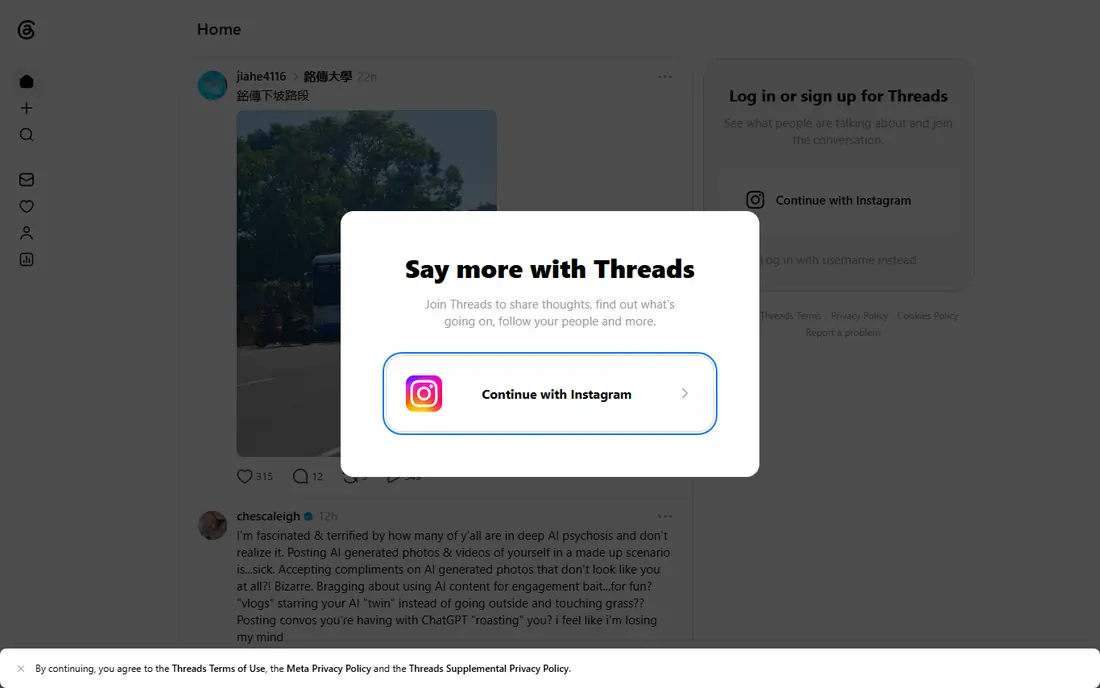
Threads is the easiest alternative to start using today. If you already use Instagram, you can join in minutes, follow familiar accounts, and post short updates without learning servers, protocols, or a new social graph from scratch. The honest catch is worth weighing. Feed control is more limited than Bluesky or Mastodon. If you try it and miss a feature, compare the next option before paying, because strengths differ more than marketing suggests.
- Easy sign-up through Instagram
- Large built-in audience
- Simple posting and replies
- Feed control is more limited than Bluesky or Mastodon
- Tied closely to Instagram

Mastodon offers the most control, at the cost of a little extra setup. You join a server that fits your interests, follow people across the wider network, and enjoy chronological feeds, though picking a first server takes a few minutes of reading. The honest catch is worth weighing. Choosing a server confuses newcomers. It is worth a short trial with real work, not just a demo, so you can judge whether it fits your daily routine.
- Independent servers with own rules
- Chronological feeds
- No central algorithm by default
- Choosing a server confuses newcomers
- Audience is split across servers
Tumblr is less a Twitter clone and more a creative home that never went away. Its reblog culture, tags, and long-running fandom and art communities suit people who want creative posts and conversation over breaking news and hot takes. The honest catch is worth weighing. Not a real-time news feed. Start with the free or trial version, and upgrade only when you hit a limit that actually slows you down.
- Long-running creative communities
- Photo, text, and video posts
- Reblog culture
- Not a real-time news feed
- Younger and niche audiences dominate
Minds appeals to people who want openness and creator control. It is open source, offers rewards for engagement, and supports groups and video, which suits creators who want an alternative platform with a clear stance on openness. The honest catch is worth weighing. Smaller audience. For most people, the deciding factor will be fit, not feature count, so weigh the catch above as carefully as the strengths.
- Open source platform
- Creator rewards
- Groups and video
- Smaller audience
- Interface feels less polished than major apps
Spoutible aims for the Twitter experience without the harshest parts. Its short posts and replies feel familiar, its moderation focus aims for a calmer feed, and its simple interface suits people who want conversation over viral trends. The honest catch is worth weighing. Smaller community. Use it for a week with your normal tasks, then decide whether the trade-offs are acceptable for the price.
- Twitter-style short posts
- Focus on safer conversation
- Simple interface
- Smaller community
- Fewer third-party apps
Hive Social stands out for profile personality and photos. It lets users customise profiles, share photos and text, and browse a chronological feed, which appeals to people who liked the visual and personal side of early social apps. The honest catch is worth weighing. Smaller user base. If the catch above is a deal-breaker, the next pick may suit you better, even if it looks less polished at first glance.
- Profile customisation
- Photo and text posts
- Chronological feed option
- Smaller user base
- Feature development has been uneven
CounterSocial is built around a firm moderation promise. It blocks many sources of abuse at the platform level, runs without ads, and offers communities and groups, which suits people who prioritise a safer feed over a huge audience. The honest catch is worth weighing. Small community. Check current pricing before you commit, because plans and free tiers change, and promotions can distort the comparison.
- Strong moderation stance
- No ads or trackers on the platform
- Communities and groups
- Small community
- Sign-up may involve a wait or invite at times
Plurk is a long-running, low-key alternative with a loyal core community. Its timeline posts, karma system, and casual tone suit people who want a friendly, smaller social space rather than a platform chasing viral news and trends. The honest catch is worth weighing. Smaller and less known in the US. A short, honest trial is the best test here, since daily use reveals friction that a feature list cannot show.
- Simple timeline posts
- Karma and emoticons
- Long-running community
- Smaller and less known in the US
- Real-time news coverage is thin
How we picked these
We compared official feature pages, pricing pages, app store listings, and public documentation for each product, rather than relying on a single review or ranking. We checked that each product exists, fits the topic, and is available in October 2026, and we used See website wherever a price depended on plan, region, or enrolled amount and could not be verified cleanly. We also weighed fit over feature count. A long list of features means little if the core job is awkward, and a cheaper plan means little if it blocks the feature you need most. That is why each pick above names a best use and an honest weakness, so you can match the tool to your situation instead of chasing the highest-rated name.
How to choose a Twitter alternative
Start with where your people already are. A social platform is only useful if the accounts you follow, or the community you want to join, post there regularly. Check a few favourite creators or topics before committing, and expect to use more than one platform for a while.
Next, check how the feed works. Some platforms use an algorithm, some use a chronological feed, and some let you build custom feeds or lists. If you disliked algorithmic feeds on Twitter, a chronological or custom-feed option will matter more than a large user count.
Finally, check moderation and portability. Community-run platforms such as Mastodon let servers set their own rules, which is a strength for some communities and a drawback for others. Open protocols can make it easier to move accounts, while closed platforms may make leaving harder.
A final check is worth doing before you pay or commit. Read the current pricing page, confirm the free plan or trial terms, and check whether the features you need are included at the tier you plan to buy. Prices, free tiers, and platform support change over time, so a quick check on the vendor site on the day you sign up can prevent an unwelcome surprise, a missing feature, or a plan that costs more than you expected. If you are unsure, start with the free option and move only when you need more.
FAQ
What are the best Twitter alternatives?
Bluesky, Threads, and Mastodon are the strongest general alternatives. Bluesky feels closest to classic Twitter, Threads suits Instagram users, and Mastodon suits community-run spaces.
Is Bluesky better than Threads?
Bluesky offers more feed control and custom feeds, while Threads offers a larger built-in audience through Instagram. Pick Bluesky for control, Threads for reach and simplicity.
What is Mastodon and how does it work?
Mastodon is a network of independent servers that connect to each other. You join one server, follow people across servers, and each server sets its own moderation rules.
Can I find my Twitter followers on alternatives?
Sometimes. Some tools and account bios help, but there is no complete automatic transfer. Search for favourite accounts by name on each new platform.
Are Twitter alternatives free?
Yes, the platforms on this list are free to join. Some offer optional paid features or subscriptions, but basic posting and following do not require payment.