Best Keyword Rank Tracking Software in 2026: 8 Products Compared
Compare the best keyword rank tracking software and tools, with keyword limits, update frequency, and pricing for teams, agencies, and solo users today.

- Editor's choice
 Ahrefs
Backlink teams adding rank tracking
Starts at$29 per monthVisit ahrefs.comFull review - Great alternative
 Semrush
Full SEO suite plus tracking
Starts at$139 per monthVisit semrush.comFull review - Also consider
 SE Ranking
Best keywords per dollar
Starts at$129 per monthVisit seranking.comFull review
TL;DR:
- SE Ranking offers the most tracked keywords per dollar at entry level, while Ahrefs and Semrush make sense if you already pay for their wider SEO suites.
- AccuRanker suits agencies that need fast, on-demand refreshes, while Wincher suits small teams that want simple daily tracking.
- Check update frequency first, because a weekly tracker and a daily tracker are not the same product, even at a similar price.
- Nightwatch adds AI search visibility, which matters if clients now ask about ChatGPT and AI Overviews as well as Google rankings.
- Use Google Search Console as a free baseline, then pay for a tracker only for the keywords, locations, and reports you actually use.
Quick comparison
| Tool | Best for | Starts at | Free plan? | |
|---|---|---|---|---|
| Ahrefs | Backlink teams adding rank tracking | $29 per month | Yes | Visit |
| Semrush | Full SEO suite plus tracking | $139 per month | Free trial (7 days) | Visit |
| SE Ranking | Best keywords per dollar | $129 per month | Free trial (14 days) | Visit |
 AccuRanker | Fast agency-grade tracking | $224 per month | Free trial (14 days) | Visit |
 Wincher | Simple daily tracking | $49 per month | Free trial (14 days) | Visit |
 SERPWatcher | Budget Mangools suite tracking | $29.90 per month | Free trial (10 days) | Visit |
 Nightwatch | Local plus AI search tracking | See website | Free trial (14 days) | Visit |
 ProRankTracker | White-label agency reports | $99 per month | Yes | Visit |
The best keyword rank tracking software
Rank tracking looks simple until you add locations, devices, competitors, and reporting. The tools below differ on keyword limits, refresh speed, and whether tracking is the whole product or one part of a larger suite.
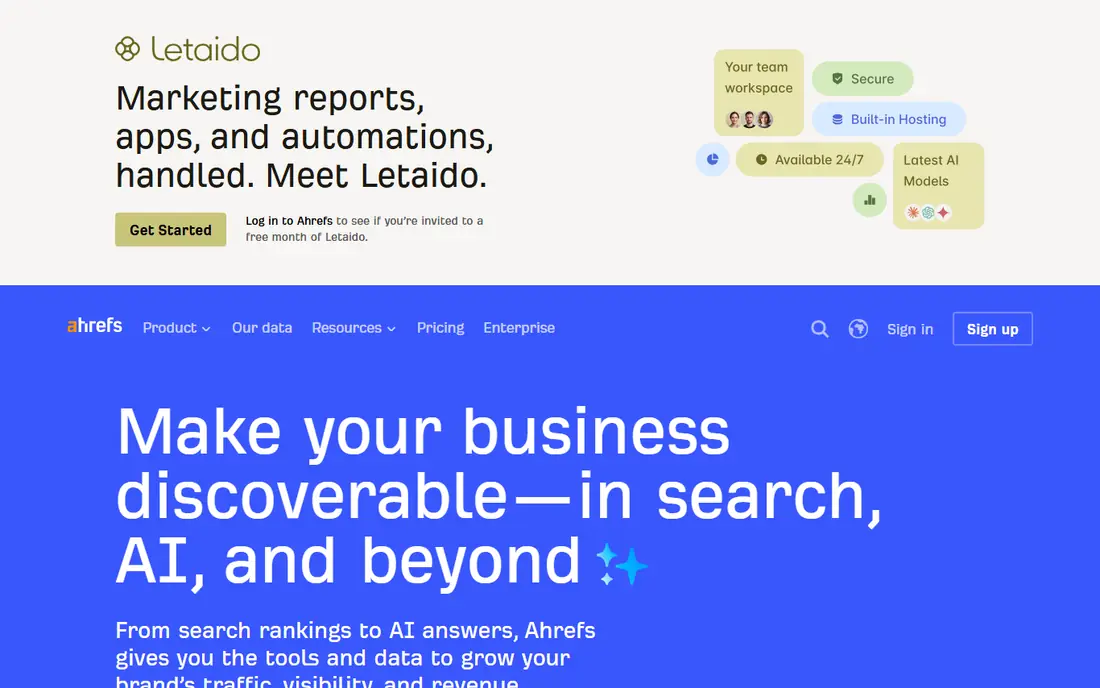
Ahrefs is best known for backlinks and keyword research, and Rank Tracker sits inside that suite. You can track your keywords, watch competitors, and jump from a ranking change to the pages and links behind it without switching tools. For a team already paying for Ahrefs, adding tracking is a natural step. The limits matter if tracking is your main job. The $29 Starter plan covers only 50 tracked keywords, and the $129 Lite plan covers 750, with weekly updates by default. A team that needs daily checks for hundreds of keywords should compare SE Ranking or AccuRanker before settling on Ahrefs for tracking alone.
- Rank Tracker inside a deep backlink and research suite
- Competitor tracking and SERP feature views
- Free Webmaster Tools for sites you own
- Entry plan tracks only 50 keywords
- Weekly updates by default, with daily as an add-on
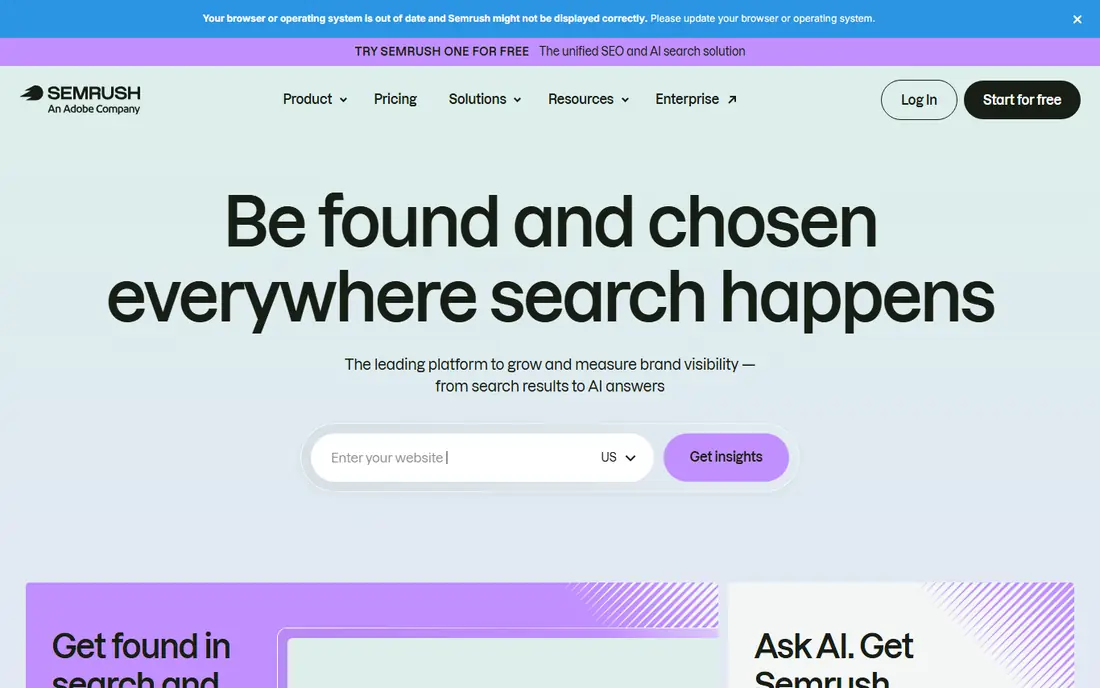
Semrush Position Tracking is part of a much larger marketing suite, covering keyword research, site audits, backlink analysis, and content tools. For an in-house team or agency that already uses those tools, keeping tracking in Semrush avoids another login and another report format. Daily updates and location targeting cover most client reporting needs. The entry SEO plan tracks 500 keywords, which is enough for a small site but tight for an agency with many clients. Higher plans and add-ons raise that limit, and AI Mode tracking may need a separate add-on. Buy Semrush for the suite, not for tracking alone, unless your keyword count fits the plan.
- Position Tracking with daily updates
- Research, audits, and content tools in one login
- Strong competitor and SERP feature data
- Entry plan covers 500 keywords
- AI tracking features may need an add-on

SE Ranking is the value pick in this list for pure tracking volume. The Core plan covers 2,000 keywords with daily updates, plus site audits, keyword research, and backlink checks in the same subscription. That combination makes it a strong single tool for freelancers and small agencies that need to track many terms without paying suite prices. The trade-offs are at the edges. Larger teams, API access, and AI search visibility sit on higher plans or add-ons, so a large agency should price the full setup, not just Core. For most small and mid-size users, though, SE Ranking covers the core job at a lower cost per keyword than the big suites.
- 2,000 keywords with daily updates on Core
- Audits, research, and reporting included
- White-label reports for agencies
- Higher plans needed for larger teams and API use
- AI visibility tracking is a paid add-on
AccuRanker focuses on one job and does it fast. Rankings refresh on demand in seconds, data updates daily, and agencies can tag, segment, and report on thousands of keywords without waiting for a scheduled crawl. That speed helps when a client asks why a ranking moved today, or when an agency needs fresh data before a call. The price reflects that focus. At $224 per month for the Professional plan, AccuRanker costs more than a general suite entry plan, and it does not replace research or audit tools. It suits agencies where ranking accuracy and speed are the product, and where clients pay for that reliability.
- Fast on-demand refreshes
- Daily updates and precise local data
- Strong tagging, segments, and reporting for agencies
- Highest entry price in this list
- No wider SEO suite, so research tools come from elsewhere
Wincher keeps rank tracking simple. You add keywords and websites, and it checks them daily, with clear charts and competitor comparisons that a small team can read without training. The Basic plan covers 500 keywords across up to 10 websites, which fits a freelancer with several clients or a small business with a few sites. Wincher does not try to be a full SEO suite, so research, audits, and content tools need to come from elsewhere. That focus is also its appeal: you pay for tracking, you get tracking, and the interface stays out of the way. It is a good pick when a suite feels like overkill.
- Simple setup and clear daily reports
- Tracks up to 10 websites on Basic
- Competitor tracking included
- No full SEO suite
- Some advanced reporting needs a higher plan
SERPWatcher, from Mangools, suits beginners and small sites that want usable SEO tools without a large bill. The Basic plan, at $29.90 per month billed annually, includes SERPWatcher plus other Mangools tools for research and link analysis, and the performance index gives a quick sense of overall visibility. Setup takes minutes. The limits are clear. Basic updates weekly and covers 200 keywords, so a team that needs daily data or tracks many terms will need the Agency plan, which costs more. For a blogger or small site tracking a focused keyword set, SERPWatcher is a sensible, low-cost start.
- Part of the low-cost Mangools suite
- Easy keyword and competitor tracking
- Clean performance index for quick checks
- Weekly updates on Basic, with daily only on Agency
- Entry plan covers only 200 keywords
Nightwatch combines classic Google rank tracking with newer AI search visibility, tracking how a brand appears in AI answers and AI Overviews alongside standard rankings. That matters as clients start asking about visibility beyond the ten blue links. Local tracking, daily updates, and unlimited seats make it practical for small agencies. Pricing is published in euros and varies by plan, with Starter figures reported between 79 and 99 euros per month depending on billing, so we list it as See website to avoid locking in a figure that may not match your checkout. Confirm the keyword limit and AI prompt allowance for your plan before you buy.
- Daily updates plus on-demand checks
- AI search tracking for ChatGPT and AI Overviews
- Unlimited seats on plans
- Pricing varies by plan and currency, so check the live page
- Entry keyword limits are lower than SE Ranking
ProRankTracker is built for agencies that live on client reports. The Starter plan tracks 1,000 terms daily, with local and mobile breakdowns, and reports can carry your agency branding instead of the vendor name. That reporting polish saves time when you send monthly updates to many clients. The interface is more functional than modern, and ProRankTracker does not offer the research depth of Semrush or Ahrefs. If your main need is accurate tracking plus clean, branded reports, that trade is worth it. If you also need research and audits, pair it with a suite or choose SE Ranking instead.
- Daily tracking for 1,000 terms on Starter
- White-label reports and dashboards
- Local and mobile tracking included
- Interface feels dated next to newer tools
- No wider research suite
How we picked these
We compared official pricing pages, feature documentation, and recent independent comparisons of rank trackers, focusing on tools that track Google rankings today, publish keyword limits, and state update frequency. We favored a mix of suite tools and dedicated trackers, across budgets from under $30 to over $200 per month. Where pricing varied by billing term or currency, we used the monthly figure or listed See website, and we left out tools with no current public pricing.
How to choose a rank tracker
Count keywords the way the tool counts them
A keyword tracked in two locations, on desktop and mobile, can count as several tracked terms, depending on the vendor. List your real keywords, locations, and devices first, then ask how each tool counts them. A plan that looks generous can run out fast once locations multiply.
Match update frequency to decisions
Daily tracking suits agencies reporting weekly, local businesses watching map pack movement, and sites after a migration. Weekly tracking can be enough for a stable blog that reviews rankings monthly. Paying for daily data you never act on is wasted money, while weekly data will frustrate a team that needs to spot a drop quickly.
Check SERP features and AI visibility separately
Rankings alone no longer tell the full story, because AI Overviews, featured snippets, and local packs change what users see. Check whether your tool tracks those features, and whether AI search tracking is included or an add-on. If clients ask about AI visibility, that feature may matter more than a slightly lower price.
Test accuracy on your own keywords
Trackers can disagree on the same keyword in the same city, because of location settings, personalization, and timing. During a trial, check a handful of keywords you know well, in the locations you care about, and compare the tool against Google Search Console and a manual check. Keep the tool whose data you trust, not just the cheapest one.
FAQ
What is the best keyword rank tracking software?
For most users, SE Ranking offers the best balance of keyword volume, daily updates, and price. Ahrefs and Semrush are better if you already need their wider SEO suites, while AccuRanker is better for agencies that need fast, on-demand data. The best tool depends on how many keywords you track and how often you act on the data.
What is the difference between rank tracking tools and software?
The terms are used for the same job in most lists: software that checks where a site ranks for chosen keywords, over time, by location and device. Some tools are dedicated trackers, while others include tracking as one part of a larger SEO suite. The practical difference is price, keyword limits, and whether you also get research, audit, and reporting tools.
How many keywords should I track?
Track the keywords that drive business, not every term you can think of. For a small site, 50 to 200 focused terms often cover core services, locations, and key product pages. For an agency, the count grows with clients, so a plan with 1,000 to 2,000 keywords is usually a better fit. Remove terms that never lead to traffic or enquiries.
Are free rank trackers worth using?
Google Search Console is free and essential, but it only shows data for sites you own, with limited keyword grouping and history. Free tiers from paid tools can help a very small site, but they usually cap keywords and update frequency. Pay for a tracker when you need competitor data, location breakdowns, or client-ready reports.
How often should rankings be checked?
Daily checks suit agencies, local businesses, and sites going through changes, because they catch drops early. Weekly checks suit stable sites that review SEO monthly. More frequent checks do not improve rankings by themselves; they only help if someone reviews the data and acts on drops, new competitors, or SERP feature changes.