Best Content Discovery Platforms in 2026: 9 Platforms Compared
Best content discovery platforms compared, with paid recommendation networks, reader apps and social platforms for creators and publishers in 2026 today.

- Editor's choice
 Taboola
Paid native discovery at scale
Starts atSee websiteVisit taboola.comFull review - Great alternative
 Outbrain
Paid discovery on premium publishers
Starts atSee websiteVisit outbrain.comFull review - Also consider
 Flipboard
Magazine-style topic discovery
Starts atFreeVisit flipboard.comFull review
TL;DR:
- Content discovery splits into two jobs: paid recommendation networks that send traffic, and reader or social platforms where people find content on their own.
- Taboola and Outbrain suit publishers and advertisers with budgets for native traffic, while Flipboard, Feedly and Pocket suit readers and niche creators.
- Pinterest, Reddit, Medium and Substack suit creators who want search, community or subscriber discovery rather than paid clicks.
- Test traffic quality, not just volume, because cheap clicks that bounce help no creator or advertiser.
Quick comparison
| Tool | Best for | Starts at | Free plan? | |
|---|---|---|---|---|
| Taboola | Paid native discovery at scale | See website | No | Visit |
| Outbrain | Paid discovery on premium publishers | See website | No | Visit |
| Flipboard | Magazine-style topic discovery | Free | Yes | Visit |
 Feedly | Following topics and publishers | Free | Yes | Visit |
 Pocket | Saving and rediscovering articles | Free | Yes | Visit |
 Pinterest | Visual discovery and search traffic | Free | Yes | Visit |
 Reddit | Community discovery and discussion | Free | Yes | Visit |
 Medium | Reaching engaged readers | See website | Yes | Visit |
 Substack | Newsletter and subscriber discovery | Free | Yes | Visit |
The best content discovery platforms
We compared audience reach, targeting, traffic quality, creator tools, pricing models and how each platform helps readers find new content, for both advertisers and creators.
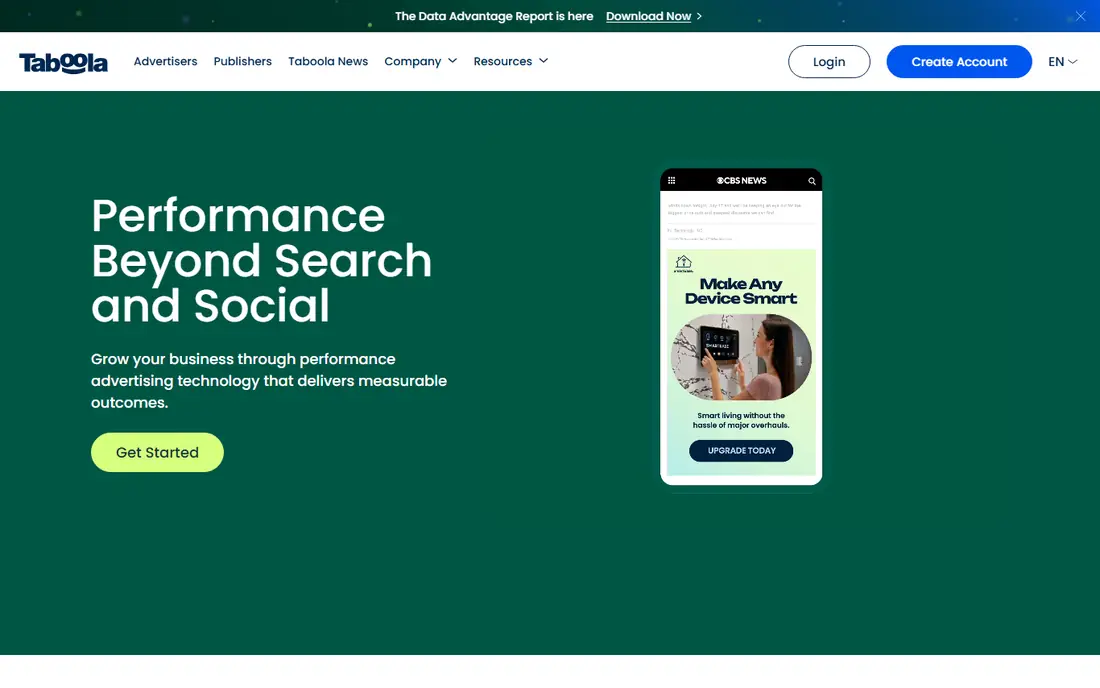
Taboola is one of the largest native discovery platforms, placing article and video recommendations on publisher sites across the open web. Advertisers can run performance campaigns with varied creative formats, targeting by interest, device and geography, and real-time reporting to adjust bids and headlines. For a publisher or brand with a content budget, Taboola offers scale that organic social alone rarely matches.
The catch is quality control. Clicks vary widely by placement and vertical, so some campaigns bring engaged readers while others bring high bounce rates. Testing creative, headlines and landing pages is essential, and small budgets may learn slowly. For teams that can test and optimize, Taboola remains a core paid discovery channel.
- Very large publisher network
- Performance campaign formats
- Real-time reporting
- Traffic quality varies by vertical and placement
- Needs testing budget to learn what works
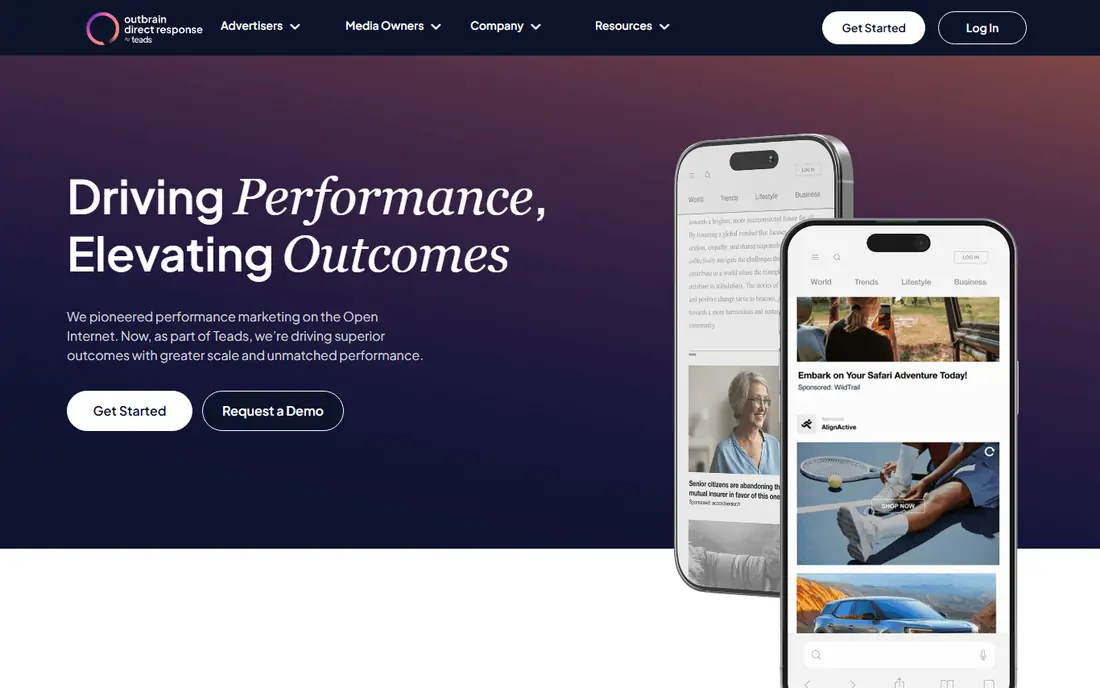
Outbrain, now part of Teads, runs native recommendations on publisher sites, with a focus on premium placements and performance outcomes. Its conversion bidding tools help advertisers optimize toward purchases, signups or other actions rather than only clicks. Many B2B and finance advertisers report stronger results on Outbrain than on broader networks, though results vary by vertical and country.
Small advertisers may find minimum spend and account requirements a barrier, and placement quality still needs regular review. Outbrain works best when you have a clear conversion goal, a landing page built for that goal, and budget to test placements. For premium publisher discovery, it is a direct rival to Taboola.
- Premium publisher placements
- Conversion-focused bidding options
- Strong in finance and B2B in many tests
- Minimum budgets can exclude very small advertisers
- Traffic quality still needs placement checks

Flipboard lets readers follow topics, magazines and publishers in a visual, magazine-style feed, which makes it useful for discovering articles outside search and social feeds. Publishers can distribute stories into topic magazines, and creators can curate collections around a niche. For readers, it is a calmer way to browse news and interests than a fast social feed.
For creators, Flipboard traffic is usually modest compared with search or a large social platform, and reach depends on curation and topic fit. It works best as one discovery channel among several, especially for visual, lifestyle, tech and news topics. If you publish regularly in a clear niche, Flipboard is worth including.
- Topic-based magazines and curation
- Visual, magazine-style reading
- Free for readers and many publishers
- Referral traffic is modest for most small publishers
- Algorithm changes affect reach
Feedly is a reader app where users follow publishers, topics, keywords and newsletters in one feed. That makes it a discovery tool for loyal readers and researchers, who can track a niche closely without relying on a social algorithm. Boards and notes help teams save and share articles, which suits journalists, analysts and content teams.
Feedly does not push unknown creators to new audiences in the way social platforms do, so a new creator still needs search, social or paid promotion to gain followers. For readers and for creators with an existing audience that wants a reliable feed, Feedly is one of the best tools available.
- Clean RSS-style following for sites, topics and newsletters
- Folders and boards for research
- AI summaries on paid plans
- Discovery is mostly pull-based, so new creators need promotion elsewhere
- Paid features needed for teams
Pocket lets readers save articles, videos and stories to read later, with a clean reading view and curated recommendations. That save-and-return behavior helps longer articles get read, since readers can save a piece on a phone and finish it on a computer. Pocket recommendations also surface popular stories to users who browse its curated lists.
For creators, Pocket is not a primary traffic engine, since most saves come from readers who already found the content elsewhere. It still helps retention, because saved articles are more likely to be finished and shared. As a reader discovery tool, Pocket is simple, free and reliable.
- Simple save-for-later across devices
- Curated recommendations
- Clean reading view
- Discovery reach for creators is limited
- Premium features are modest for publishers
Pinterest works as a visual search engine, where users discover ideas, products and articles by searching topics and saving pins to boards. Unlike a fast social feed, pins can drive traffic for months or years, which makes Pinterest valuable for creators in food, home, travel, fashion and DIY. Business accounts add analytics and ad options for those who want paid reach.
Pinterest needs visual assets, so text-only creators must invest in images or video pins. Growth also takes time, since search ranking builds with consistent pinning. For visual creators who want durable, search-led discovery, Pinterest is one of the strongest free platforms available.
- Search-led discovery with long pin life
- Strong for food, home, fashion and DIY creators
- Free organic reach plus ads
- Visual content required
- Results take time to build
- Niche B2B topics perform less well
Reddit organizes discovery by community, with thousands of subreddits for topics from cooking to programming to personal finance. A useful post, guide or discussion can reach a large, engaged audience without paid promotion, and comments often add value beyond the original content. For creators who know a community well, Reddit offers direct feedback and loyal readers.
Self-promotion rules are strict, and communities punish posts that feel like ads. Creators should contribute, answer questions and share genuinely useful content, with links used sparingly. Done well, Reddit is a powerful discovery channel. Done as pure promotion, it backfires fast.
- Huge topic communities
- Honest discussion and feedback
- Posts can reach large audiences organically
- Self-promotion rules are strict
- Community backlash if content feels like spam
Medium gives writers a built-in audience, topic tags and a clean publishing experience, without needing to run a website. Readers discover stories through topics, publications and recommendations, and writers can build a following inside Medium itself. Its partner program also pays some writers based on member reading time, which suits writers who publish regularly.
Distribution has changed over time, and not every story reaches a wide audience, especially behind the paywall for non-members. Writers who rely only on Medium should also build an email list or a personal site. For reaching engaged readers with essays, guides and analysis, Medium remains a useful discovery platform.
- Built-in reader audience and topic tags
- Clean publishing tools
- Partner program for some writers
- Algorithm and distribution changes affect reach
- Paywall limits free reading for some stories
Substack combines newsletter publishing with discovery, through recommendations, notes and cross-promotion between newsletters. Writers can publish free or paid newsletters, build a subscriber list they own, and gain new readers when other newsletters recommend them. That ownership of the audience is a key advantage over social platforms, where reach can change overnight.
Discovery still requires effort. New writers need recommendations, guest posts or social promotion to grow, and inboxes are crowded, so subject lines and consistency matter. For creators who want subscriber-led discovery and direct reader revenue, Substack is one of the best platforms today.
- Newsletter publishing plus discovery features
- Paid subscriptions for writers
- Recommendations between newsletters
- Discovery depends on recommendations and cross-promotion
- Inbox competition is high
How we picked these
We compared official platform pages, audience models, creator tools, pricing and traffic types. We favored platforms that are live in 2026, help readers or advertisers discover content beyond their own site, and cover both paid and organic discovery. We left out tools that only schedule social posts or only host a website without a discovery audience.
How to use content discovery platforms well
Start with one paid and one organic channel, not five at once. For paid discovery, set a test budget, a clear conversion goal and a landing page that matches the headline, then compare cost per engaged visit, not just cost per click. Kill placements that bounce fast, and keep headlines honest, since misleading headlines hurt trust and repeat visits.
For organic discovery, match format to platform. Pinterest needs strong visuals, Reddit needs genuine community value, Medium needs a clear angle for readers, and Substack needs a consistent newsletter readers actually open. Track which channel brings subscribers, not just page views, and double down on the one or two channels that bring the right audience.
FAQ
What are the best content discovery platforms?
Taboola and Outbrain lead paid native discovery, while Flipboard, Feedly and Pocket help readers find and save articles. Pinterest, Reddit, Medium and Substack help creators gain organic and subscriber discovery. The best mix depends on budget, format and whether you want traffic, subscribers or sales.
What is the best social media platform for content creators?
Pinterest suits visual and search-led creators, Reddit suits community-led creators, and Substack suits newsletter creators. There is no single winner, since each platform rewards different formats. Pick the platform where your target readers already spend time and where your format fits naturally.
Are Taboola and Outbrain worth it for small publishers?
They can be, if you have a test budget and a clear goal such as email signups or sales. Small budgets learn slowly, and traffic quality varies by placement, so start narrow, test headlines and landing pages, and measure engaged visits rather than raw clicks.
How can creators get discovered without paid ads?
Publish consistently on a platform with built-in discovery, such as Medium, Substack or Pinterest, and contribute genuinely in communities such as Reddit. Use search-friendly titles, strong visuals where needed, and an email list to keep readers you gain, since platform reach can change.
What is the difference between content discovery and content distribution?
Discovery is how new readers find your content, through recommendations, search, social feeds or newsletters. Distribution is how you push content out, through email, social posts, syndication or ads. Many platforms do both, but measuring discovery means tracking new readers, not just total sends.