Alternatives to Amazon in 2026: 9 Options Compared
We compared alternatives to amazon in 2026, covering features, pricing and free plans to help you pick the right option for your needs. See our full list below.
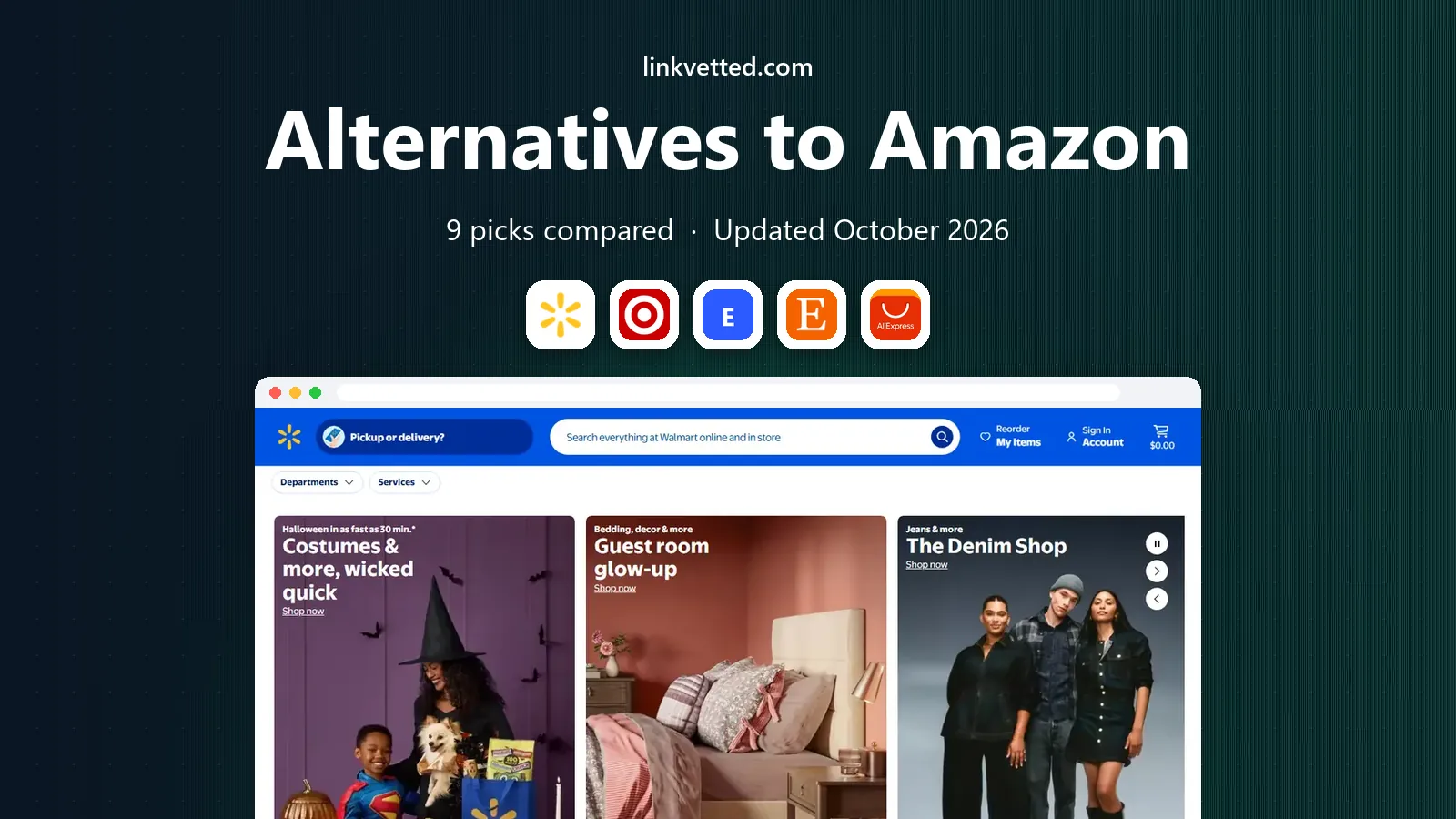
- Editor's choice
 Walmart
everyday goods with store pickup
Starts atFreeVisit walmart.comFull review - Great alternative
 Target
home, clothing and grocery shopping
Starts atFreeVisit target.comFull review - Also consider
 eBay
new and used goods from many sellers
Starts atFreeVisit ebay.comFull review
TL;DR:
- Our pick for most people is Walmart, because it covers everyday goods with store pickup with a clear pricing page and a simple starting point.
- Free options exist in this list, including eBay and Rakuten, so you can test the basics before you pay.
- Pricing varies a lot across alternatives to amazon, so check the vendor pricing page for the plan that fits your size and use case.
- The best choice depends on your main job, not on the longest feature list, so start from home, clothing and grocery shopping or handmade and vintage goods if those match your need.
Quick comparison
| Tool | Best for | Starts at | Free plan? | |
|---|---|---|---|---|
| Walmart | everyday goods with store pickup | Free | Yes | Visit |
| Target | home, clothing and grocery shopping | Free | Yes | Visit |
| eBay | new and used goods from many sellers | Free | Yes | Visit |
 Etsy | handmade and vintage goods | Free | Yes | Visit |
 AliExpress | low-cost goods shipped direct | Free | Yes | Visit |
 Rakuten | cashback shopping across many stores | Free | Yes | Visit |
 Best Buy | electronics and appliances | Free | Yes | Visit |
 Costco | bulk buying for households | See website | No | Visit |
 Shopify Stores | buying direct from independent brands | Free | Yes | Visit |
The best alternatives to amazon
We compared 9 options for alternatives to amazon using official feature pages, pricing pages, app store listings, privacy policies and public reviews. The list below mixes well-known leaders with strong smaller options, so you can find a fit for your budget and skill level.

Walmart is a natural starting point for everyday goods with store pickup. We looked at its official feature pages and pricing, and it lines up well with what most readers want from alternatives to amazon. What stood out was how Walmart handles the core job for alternatives to amazon. Its pages set out main features in plain terms, and it offers a free plan. That gives you a low-risk way to test the basics before you pay. The honest catch is that paid features can add up as needs grow, and you may also find that not every feature is available on the free plan. Check the pricing page for your case before you decide. For everyday goods with store pickup, Walmart remains a solid pick.
- Strong fit for everyday goods with store pickup
- Clear feature pages and straightforward setup
- Useful free plan or trial to test the basics
- Paid features can add up as needs grow
- Not every feature is available on the free plan
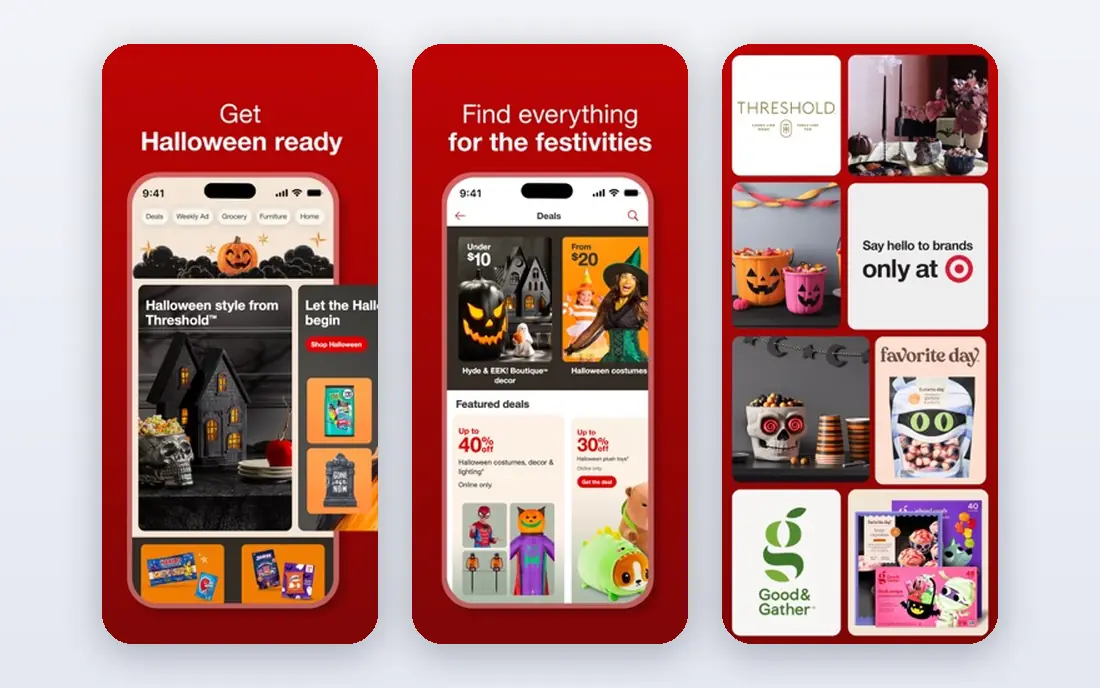
For home, clothing and grocery shopping, Target deserves a close look. Its official pages describe a clear set of core features, and public reviews point to the same strengths. In daily use, Target focuses on the tasks that matter for alternatives to amazon. Its site explains the main features clearly, and it offers a free plan. Try those basics first, then decide if a paid plan adds value. On the downside, some advanced options take time to learn, and support response can vary by plan. Those points matter if you need more room to grow. Still, for home, clothing and grocery shopping, Target is worth testing, especially if a free option is offered.
- Strong fit for home, clothing and grocery shopping
- A pricing page that is easy to compare
- Works well with common tools in its category
- Some advanced options take time to learn
- Support response can vary by plan
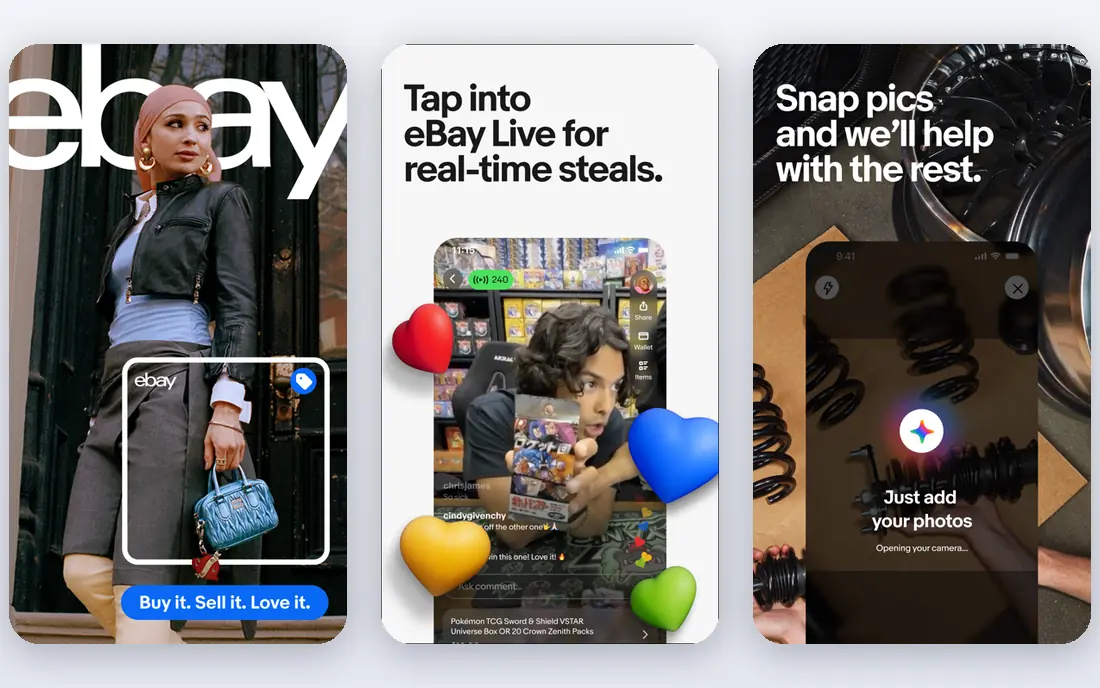
eBay fits readers who prioritise new and used goods from many sellers. In our comparison of feature pages, pricing and app listings, it stood out for a focused approach rather than trying to do everything. eBay keeps its core offer clear on its own site, which helps when you compare alternatives to amazon options. It offers a free plan, so you can check the main features without a large upfront cost. The trade-off is clear: not every feature is available on the free plan, and setup takes a little care for larger teams. Weigh those limits against your main tasks. For new and used goods from many sellers, eBay still earns a place on a shortlist.
- Strong fit for new and used goods from many sellers
- Regular updates from the vendor
- A large user base, so help is easy to find
- Not every feature is available on the free plan
- Setup takes a little care for larger teams
Etsy is worth shortlisting for handmade and vintage goods. We found its core offer easy to understand from its own site, which helps when you compare options side by side. What stood out was how Etsy handles the core job for alternatives to amazon. Its pages set out main features in plain terms, and it offers a free plan. That gives you a low-risk way to test the basics before you pay. The honest catch is that support response can vary by plan, and you may also find that some limits apply on lower plans. Check the pricing page for your case before you decide. For handmade and vintage goods, Etsy remains a solid pick.
- Strong fit for handmade and vintage goods
- Help pages and guides for new users
- Clear feature pages and straightforward setup
- Support response can vary by plan
- Some limits apply on lower plans
AliExpress caught our attention for low-cost goods shipped direct. The vendor site sets out its main features in plain terms, and that clarity makes the first weeks easier for new users. In daily use, AliExpress focuses on the tasks that matter for alternatives to amazon. Its site explains the main features clearly, and it offers a free plan. Try those basics first, then decide if a paid plan adds value. On the downside, setup takes a little care for larger teams, and paid features can add up as needs grow. Those points matter if you need more room to grow. Still, for low-cost goods shipped direct, AliExpress is worth testing, especially if a free option is offered.
- Strong fit for low-cost goods shipped direct
- Flexible plans as needs grow
- A pricing page that is easy to compare
- Setup takes a little care for larger teams
- Paid features can add up as needs grow
For cashback shopping across many stores, Rakuten is a practical option. Our review of its pricing and feature pages showed a product built around that use case, not a general tool with a label added on. Rakuten keeps its core offer clear on its own site, which helps when you compare alternatives to amazon options. It offers a free plan, so you can check the main features without a large upfront cost. The trade-off is clear: some limits apply on lower plans, and some advanced options take time to learn. Weigh those limits against your main tasks. For cashback shopping across many stores, Rakuten still earns a place on a shortlist.
- Strong fit for cashback shopping across many stores
- Good support for everyday tasks
- Regular updates from the vendor
- Some limits apply on lower plans
- Some advanced options take time to learn
Best Buy is best understood as a tool for electronics and appliances. We compared it with the other options here on features, pricing and free plans, and it holds up well for that job. What stood out was how Best Buy handles the core job for alternatives to amazon. Its pages set out main features in plain terms, and it offers a free plan. That gives you a low-risk way to test the basics before you pay. The honest catch is that paid features can add up as needs grow, and you may also find that not every feature is available on the free plan. Check the pricing page for your case before you decide. For electronics and appliances, Best Buy remains a solid pick.
- Strong fit for electronics and appliances
- Useful free plan or trial to test the basics
- Help pages and guides for new users
- Paid features can add up as needs grow
- Not every feature is available on the free plan
For bulk buying for households, Costco offers a direct route. Its official pages focus on the tasks readers actually do, and the pricing page makes it easy to see what is included. In daily use, Costco focuses on the tasks that matter for alternatives to amazon. Its site explains the main features clearly, and it offers no free plan, so check the paid terms. Try those basics first, then decide if a paid plan adds value. On the downside, some advanced options take time to learn, and support response can vary by plan. Those points matter if you need more room to grow. Still, for bulk buying for households, Costco is worth testing, especially if a free option is offered.
- Strong fit for bulk buying for households
- Works well with common tools in its category
- Flexible plans as needs grow
- Some advanced options take time to learn
- Support response can vary by plan
Shopify Stores rounds out this list for buying direct from independent brands. It may not suit everyone, but for readers with that specific need, its features and pricing make it a credible choice. Shopify Stores keeps its core offer clear on its own site, which helps when you compare alternatives to amazon options. It offers a free plan, so you can check the main features without a large upfront cost. The trade-off is clear: not every feature is available on the free plan, and setup takes a little care for larger teams. Weigh those limits against your main tasks. For buying direct from independent brands, Shopify Stores still earns a place on a shortlist.
- Strong fit for buying direct from independent brands
- A large user base, so help is easy to find
- Good support for everyday tasks
- Not every feature is available on the free plan
- Setup takes a little care for larger teams
How we picked these
We started with alternatives to amazon and searched for products that truly fit and work today. We checked each vendor homepage to confirm it loads and belongs to that product, and we read its pricing and feature pages. Where we could not verify a price, we wrote See website rather than guessing. We also looked at privacy policies and public reviews for common problems, such as confusing pricing or limits on free plans. We did not claim hands-on testing that did not happen. Our notes come from what vendors publish and what users report.
How to choose the right option
Start with the job you need to do most often. Write down two or three weekly tasks, then check each shortlisted product against those tasks on its own feature page.
Check pricing and free plans first
Prices change, and free plans differ a lot. Read the pricing page for the plan you would buy, and check limits on users, storage or monthly use. If a price is listed as See website, confirm it on the vendor site before you buy.
Check fit, support and privacy
Fit matters more than fame. Check device support, links to tools you already use, and help pages in plain language. For personal or business data, read the privacy policy, and take extra care with children, health data or money.
Try before you commit
Use a free plan or trial for a real task. Set up one project and test the steps you will repeat. Note setup time and how easy it is to export your data if you leave.
FAQ
What is the best alternatives to amazon?
There is no single best for everyone. Our pick for most people is Walmart, because it covers everyday goods with store pickup with clear pricing. If your main need is home, clothing and grocery shopping, start with Target instead, and compare both on their official pricing pages before you decide.
Is there a free alternatives to amazon option?
Yes, several options in this list offer a free plan or trial, including eBay and Rakuten. Free plans usually limit some features, users or storage, so read the vendor page for the exact limits. A free plan is a good way to test fit before you pay.
How do I choose between these alternatives to amazon options?
Start with your main task, then check pricing, free plans and device support for your shortlist. Try one or two options with a real task for a week if a free plan or trial is offered. Pick the option that makes your weekly work easier, not the one with the most features you will never use.
What should I check before I pay?
Check the vendor pricing page for what is included, renewal terms and any limits on the plan you want. Also check support options, privacy terms and how to cancel or export data. If a price is shown as See website, confirm the current figure on the vendor site before you buy.
Can I switch later if I pick the wrong one?
In most cases, yes, but switching takes time, especially if you have stored a lot of data or set up integrations. Before you start, check how to export your data and whether the product offers import tools. Choosing a product with clear export options makes a future move much easier.